
Keto 101 · Lesson 1 of 6
What Is the Keto Diet? A Plain-English Beginner’s Guide
What the ketogenic diet is, how ketosis works, what you eat in a day, who should be careful, and how to start without the guesswork.
4 min readUpdated By The Keto Vibe Kitchen
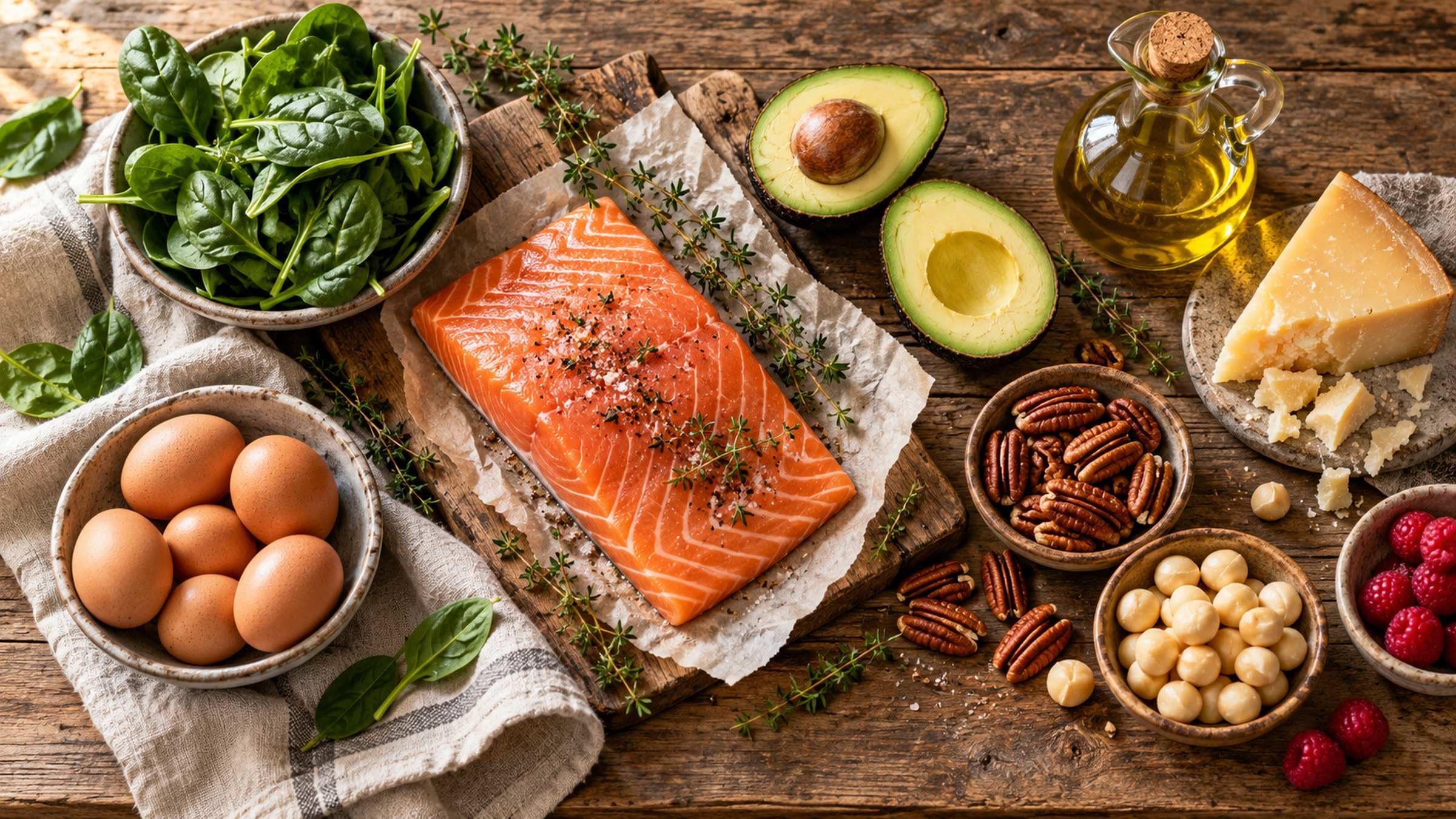
The ketogenic diet, or keto, is a way of eating that keeps carbohydrates very low and gets most of its energy from fat. Cut carbs far enough and your body changes the fuel it runs on. That switch, called ketosis, is the whole point.
This guide covers what keto is, what happens in your body, what a day of eating looks like, and how to start without making the common mistakes.
Where keto comes from
Keto isn’t a recent fad. Doctors developed it in the 1920s as a treatment for epilepsy: they noticed that fasting reduced seizures, and a diet that mimicked fasting, very high in fat and very low in carbohydrate, did the same thing without starving the patient. The term “ketogenic diet” dates from that time.
It is still used in epilepsy care today. The version most people follow for weight and wellbeing is less strict, but it works on the same principle.
How ketosis works
Your body’s default fuel is glucose, which comes mostly from carbohydrates: bread, pasta, rice, potatoes, fruit and sugar. Whatever it doesn’t use right away is stored in the liver and muscles as glycogen.
When you eat very few carbs, that glycogen runs down within a couple of days. Insulin, the hormone that tells your body to store energy, stays low. With little glucose coming in, the liver starts breaking down fat and turning part of it into molecules called ketones. Your brain, heart and muscles can all burn ketones for energy.
That metabolic state is ketosis. In numbers, “nutritional ketosis” usually means a blood ketone level between about 0.5 and 3.0 mmol/L. (Lesson 6 covers how to tell if you’re in ketosis.)
The keto macros
Keto is usually described by its macronutrient split, the share of daily calories from each source:
| Macro | Share of calories | What it does |
|---|---|---|
| Fat | About 70% | Your main fuel and what keeps you full |
| Protein | About 25% | Keeps muscle; too much is rarely a problem for most people |
| Net carbs | About 5% | Kept low to stay in ketosis |
The carb limit is the one that matters most. A useful way to think about it: carbs are a limit, protein is a target, and fat is a lever you adjust for hunger and weight goals. Our macro calculator turns those percentages into grams for your body.
What you eat on keto
The base of a keto diet is simple, whole food:
- Meat, fish and eggs: beef, chicken, pork, salmon, sardines, shrimp, eggs.
- Low-carb vegetables: leafy greens, zucchini, cauliflower, broccoli, asparagus, peppers, mushrooms.
- Healthy fats: olive oil, butter, avocado, coconut oil.
- Dairy: cheese, cream, full-fat Greek yogurt in moderation.
- Nuts and seeds: pecans, macadamias, walnuts, almonds, chia, flax.
- Some fruit: a handful of berries.
What you leave out: sugar, bread, pasta, rice, cereal, potatoes, most fruit, beer, juice and soda. Beans and lentils are healthy but too starchy for most keto days.
Want the details? Lesson 3, the keto food list, has net carbs for more than 90 foods, and you can test yourself with Higher or Lower.
A day of eating
Here’s what a simple keto day can look like, at roughly 15 to 20 g of net carbs:
- Breakfast: scrambled eggs cooked in butter, with spinach and a few slices of avocado.
- Lunch: a big salad of greens, cucumber, olives, feta and grilled chicken, dressed with olive oil and lemon.
- Dinner: pan-seared salmon with garlic butter, roasted broccoli and cauliflower mash.
- If you want something sweet: a few squares of 85% dark chocolate or berries with whipped cream.
Every recipe on this site lists net carbs per serving, so you can build days like this from dishes you actually want to eat.
The first week: what to expect
The first few days are the hardest. As glycogen runs out, your body lets go of the water stored with it, and sodium goes with it. That’s why the scale drops fast at first, and why many people get a few days of headache, tiredness and irritability known as keto flu.
It’s usually short and easy to soften: more salt, more water, enough fat, and decent sleep. Lesson 4 covers keto flu in detail.
Who should be careful
Keto is a big change in how your body handles fuel. Talk to your doctor before starting if you:
- have type 1 diabetes, or type 2 diabetes treated with insulin or other glucose-lowering drugs;
- take medication for blood pressure (needs can change quickly as you lose water);
- are pregnant or breastfeeding;
- have kidney disease, liver disease, pancreatitis or gallbladder problems;
- have a history of disordered eating.
How to start
- Pick your carb limit. Twenty grams of net carbs a day is the classic starting point.
- Set your targets. Use the macro calculator for protein and calories.
- Clear the obvious carbs out of the kitchen and stock up on the basics above.
- Plan three or four meals you’re genuinely excited about. Browse our breakfast recipes and dinners.
- Salt your food and drink water, especially in week one.
- Learn to count net carbs. That’s the next lesson.
Test yourself
4 questions · +10 XP each
Question 1 of 4
What is ketosis?
Finish line. Read to here to log this guide and earn 50 XP.
Quick answers
How many carbs can you eat on keto?
Most people aim for 20 to 50 grams of net carbs a day. Twenty grams is the common starting point because almost everyone reaches ketosis at that level.
How long does it take to get into ketosis?
Usually two to four days of eating under about 20 to 50 grams of net carbs, once the body has used up its stored glycogen. Exercise can speed it up; it varies from person to person.
Is keto the same as low-carb?
Keto is the strictest form of low-carb. A general low-carb diet might allow 50 to 130 grams of carbs a day; keto keeps carbs low enough to stay in ketosis.
Can you eat fruit on keto?
Small portions of berries such as raspberries, blackberries and strawberries fit. Bananas, grapes, mangoes and dried fruit are high in sugar and hard to fit into a 20-gram day.
Put it into practice
Recipes to try
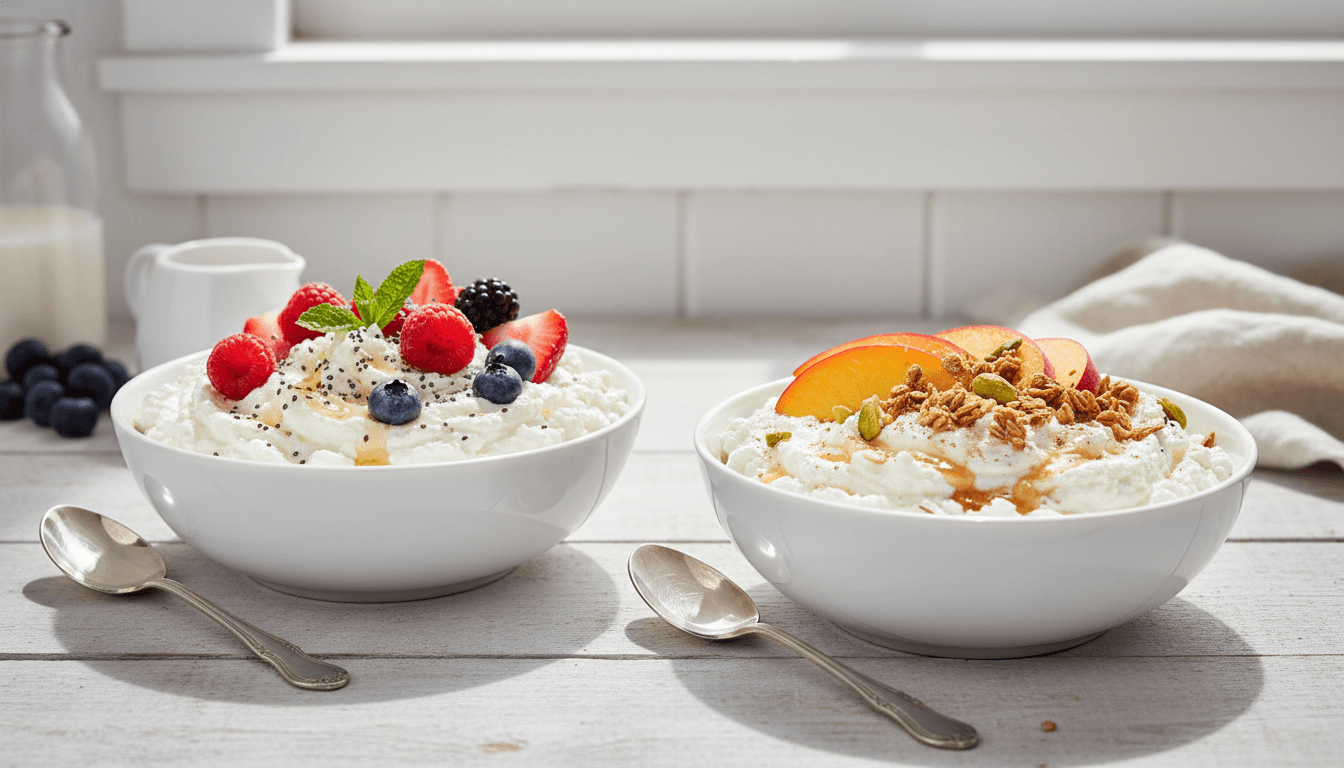 12gnet carbs
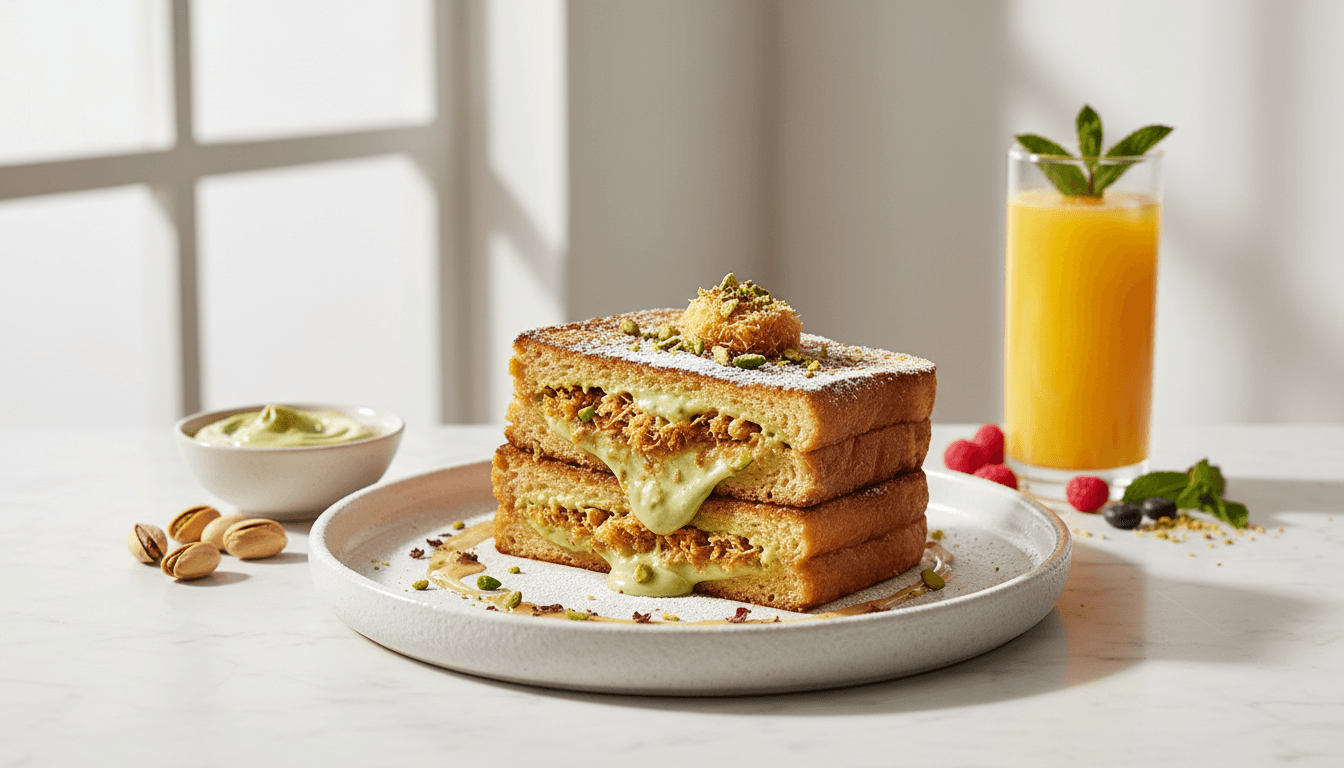 47gnet carbs
 6gnet carbs
 4gnet carbs
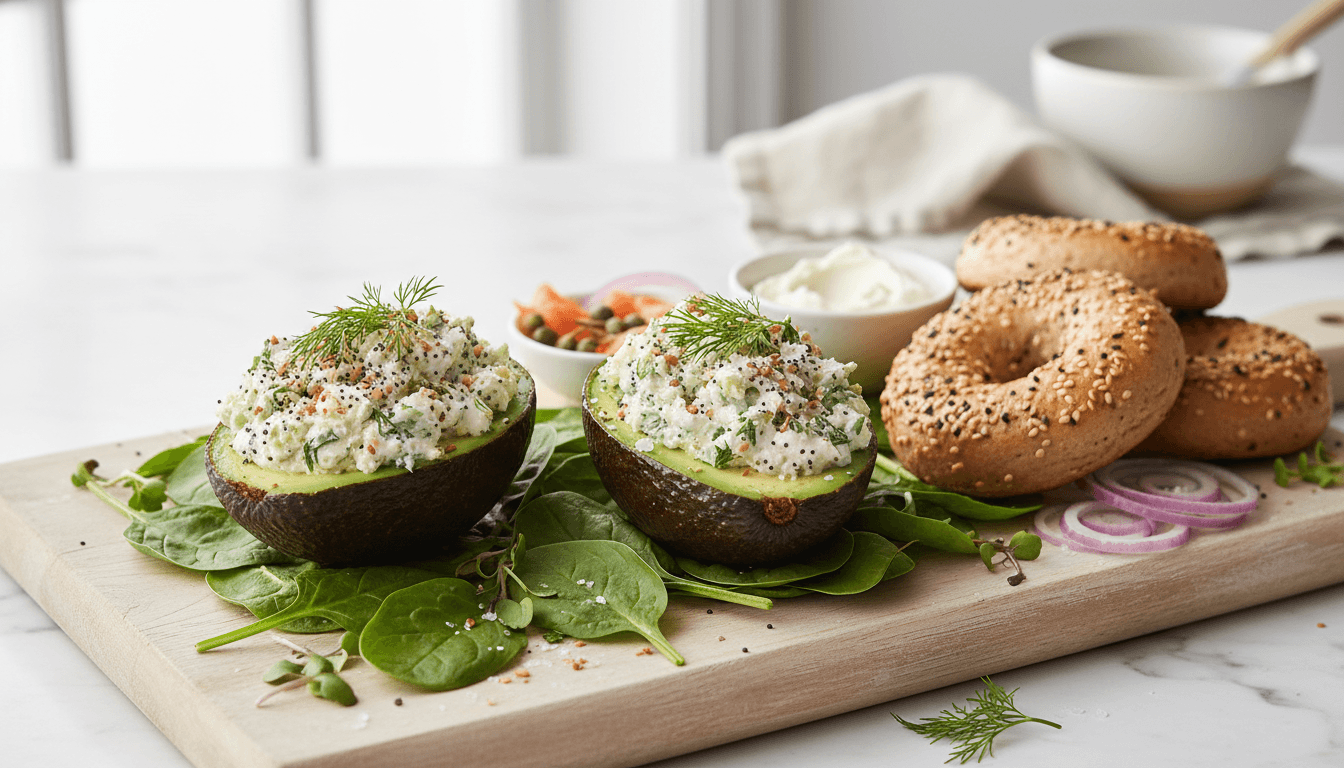 4gnet carbs
 10gnet carbs
Keep reading